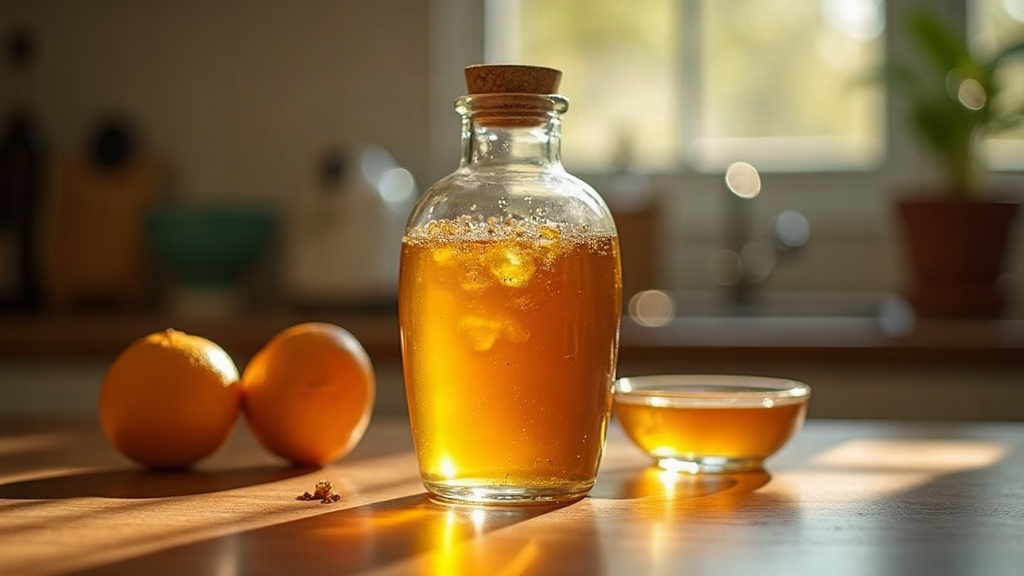
A short walk through the after-meal tea ritual, plate order, and pacing habits people build around everyday meals — explained simply, without medical claims.
You plan the meal. Then real life shows up. Energy dips. Focus drifts. The plate looks nothing like the picture in your head. Here’s the pattern a lot of people notice.
Rice or no rice. Fruit or no fruit. Some people search for things like Biblical drink (oil)/ Honey blend just trying to find a starting point. The confusion is real, and it's common.
Breakfast, lunch, dinner — each one becomes a small negotiation with yourself. That mental weight adds up over a day, over a week.
Up after lunch, down an hour later. That rollercoaster feeling is one of the most commonly described parts of the day.
Some days the tiredness shows up before the day even begins. It's frustrating, and it's more common than people admit out loud.
Some ideas about food get repeated so often they start to sound true. Here’s a closer look at three of them.
All carbohydrates are the enemy.
Carbohydrates are one part of a meal, not a single villain. The type, the portion, and what surrounds them on the plate all play a role in how a meal feels.
Fruit is basically candy.
Whole fruit comes with fiber and water that a candy bar doesn’t. Context and portion make a bigger difference than the fruit itself.
There’s a special category called ‘diabetic food’.
Most products labeled that way are simply regular foods marketed differently. A balanced, varied plate matters more than a label on a package.
Small, repeatable habits — not rules, not restrictions. Here’s what shows up again and again in traditional meal routines.
Some traditions start with vegetables, then protein, then starches last. It’s a simple sequencing habit, not a strict rule.
Eating slowly, chewing fully, putting the fork down between bites — an old habit that’s easy to forget on a rushed day.
A short walk after a meal is a tradition in many cultures. It’s about routine, not a fix for anything. Always shape your routine around what your doctor already knows about your health.
Long before it had a modern name, this kind of after-meal infusion showed up in kitchens where herbs, oils, and honey were kept close to the stove. Families passed it down the way they passed down recipes — by watching, tasting, adjusting. In some households it followed the evening meal the way coffee follows breakfast elsewhere: a small ritual, poured warm, shared at the table rather than measured out like medicine.
It belongs to the story of the kitchen, not the story of treatment. If you’re curious about adding a tradition like this to your table, it’s worth mentioning it to the doctor who already knows your health history — just as you would with any new food or drink.
If your energy feels like it's on a rollercoaster after eating, it's worth bringing up at your next appointment with the professional who follows your care.
Persistent morning fatigue is something to describe to your doctor, who can look at the full picture.
If meal planning feels overwhelming more often than not, a conversation with your healthcare provider or a registered dietitian can help you build a plan that fits your life.
Any change in how you feel day to day is worth mentioning to the doctor who already knows your history — they're in the best position to make sense of it.
Curious about adding something new to your routine, like an herbal tea after dinner? Ask your doctor first, especially if you take any prescribed medication.
If you're ever unsure whether your current habits still fit your needs, your doctor is the right person to ask — never change a prescribed treatment on your own.
These are individual experiences shared for illustration only. They describe personal routines, not medical outcomes, and results vary from person to person. This is not a substitute for professional medical advice.
See how this after-meal tradition fits into an everyday routine — explained simply, without shortcuts or promises. As always, keep any conversation about your diet or treatment plan with the doctor who already knows your health.
Advertising Disclosure: This page contains sponsored content and affiliate links. We may receive compensation if you click a link or make a purchase through the links provided on this page. This helps support the operation of this website at no additional cost to you.
Content Disclaimer: This content is for educational and informational purposes only. It has not been evaluated by the FDA and is not intended to diagnose, treat, cure, or prevent any disease. Nothing on this page is medical advice and it does not replace guidance from a qualified healthcare professional. Always consult your doctor before changing your diet, your daily routine, or any prescribed treatment.
Results Disclaimer: Individual results and experiences vary from person to person. Testimonials shared on this page reflect personal opinions and routines and are not a guarantee of any specific outcome.
© 2026 · All Rights Reserved